The railway was a significant instrument of early colonial expansion in New South Wales, driving capital accumulation and land speculation while paving the way for urbanisation. Across metropolitan Sydney, railway corridors contain locally and regionally significant plant communities whose lineages long predate the railway's construction more than 150 years ago. These fragmented landscapes offer insight into the character of local vegetation while revealing the natural and human forces that continue to shape them.
Railway Remains
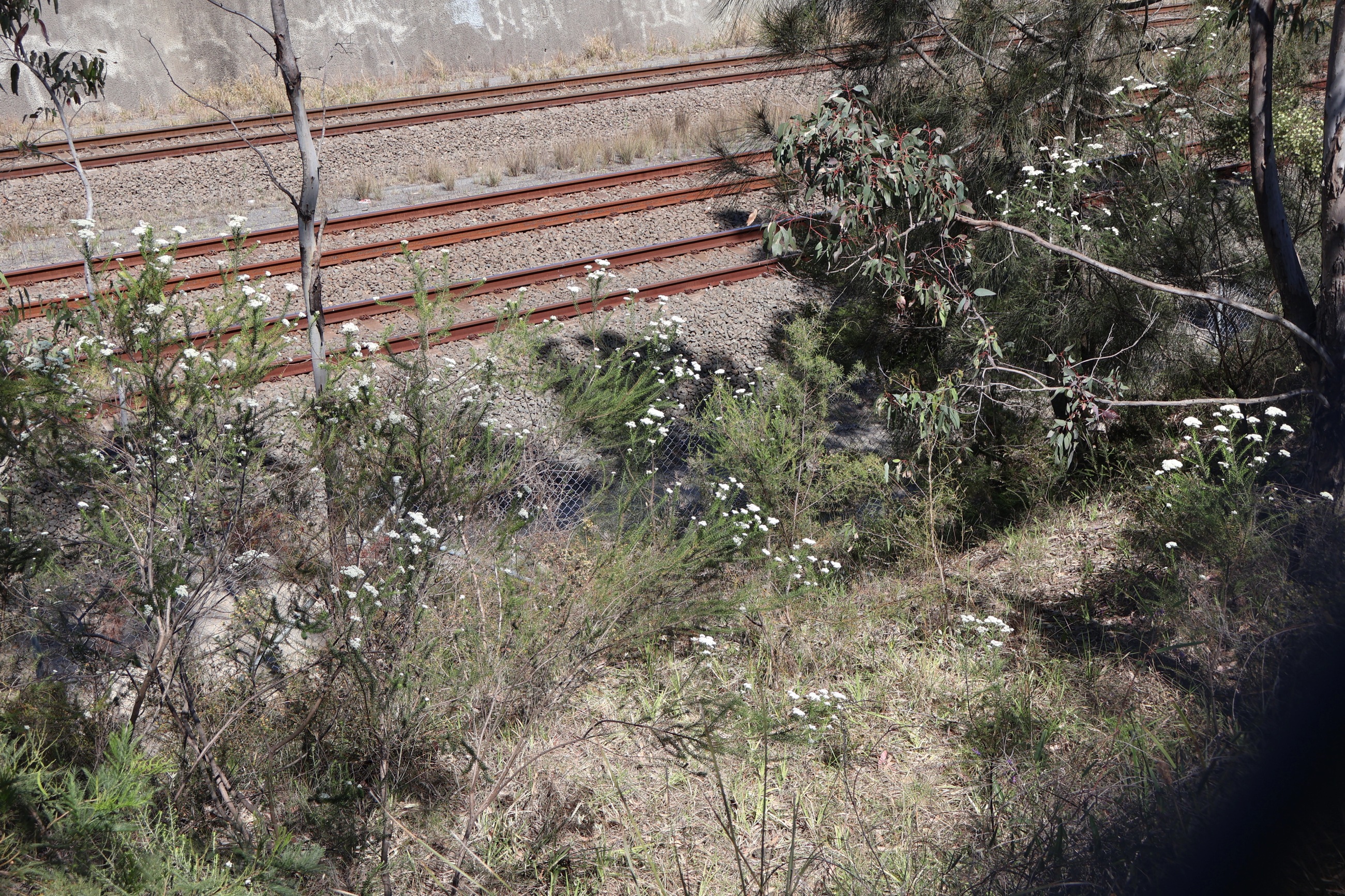
Cumberland Plain bushland along the T2 & T3 train lines in western Sydney.
One weekday morning, I'm accompanied by my friend Dan – an experienced nurseryman – who takes me to several remnants of Castlereagh Ironbark Forest near the T3 railway line at Leightonfield, on the fringes of western Sydney. Dan's background, and his many years working in bushland management at Fairfield City Council, shed light on both the practical and administrative aspects of caring for remnant vegetation.
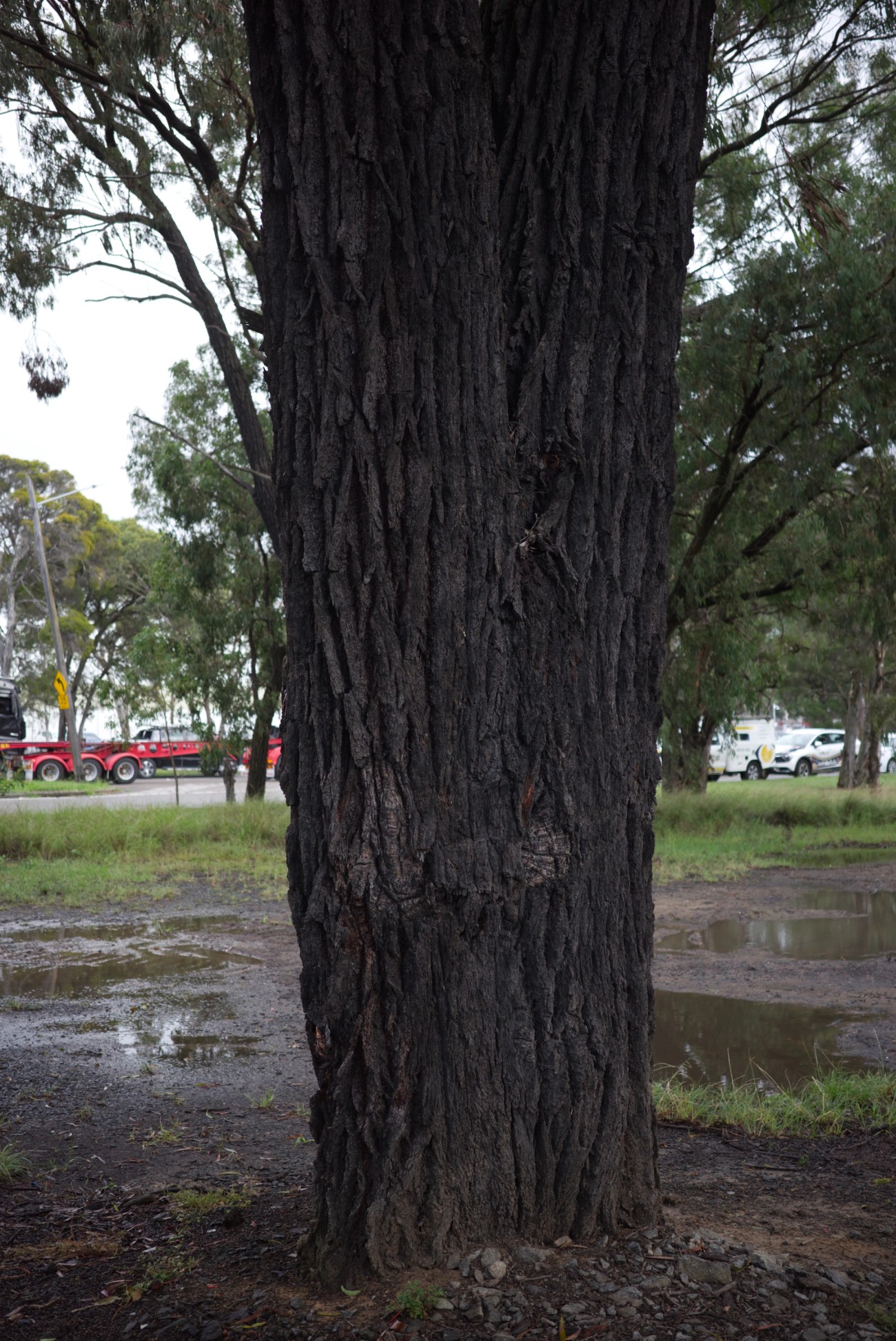
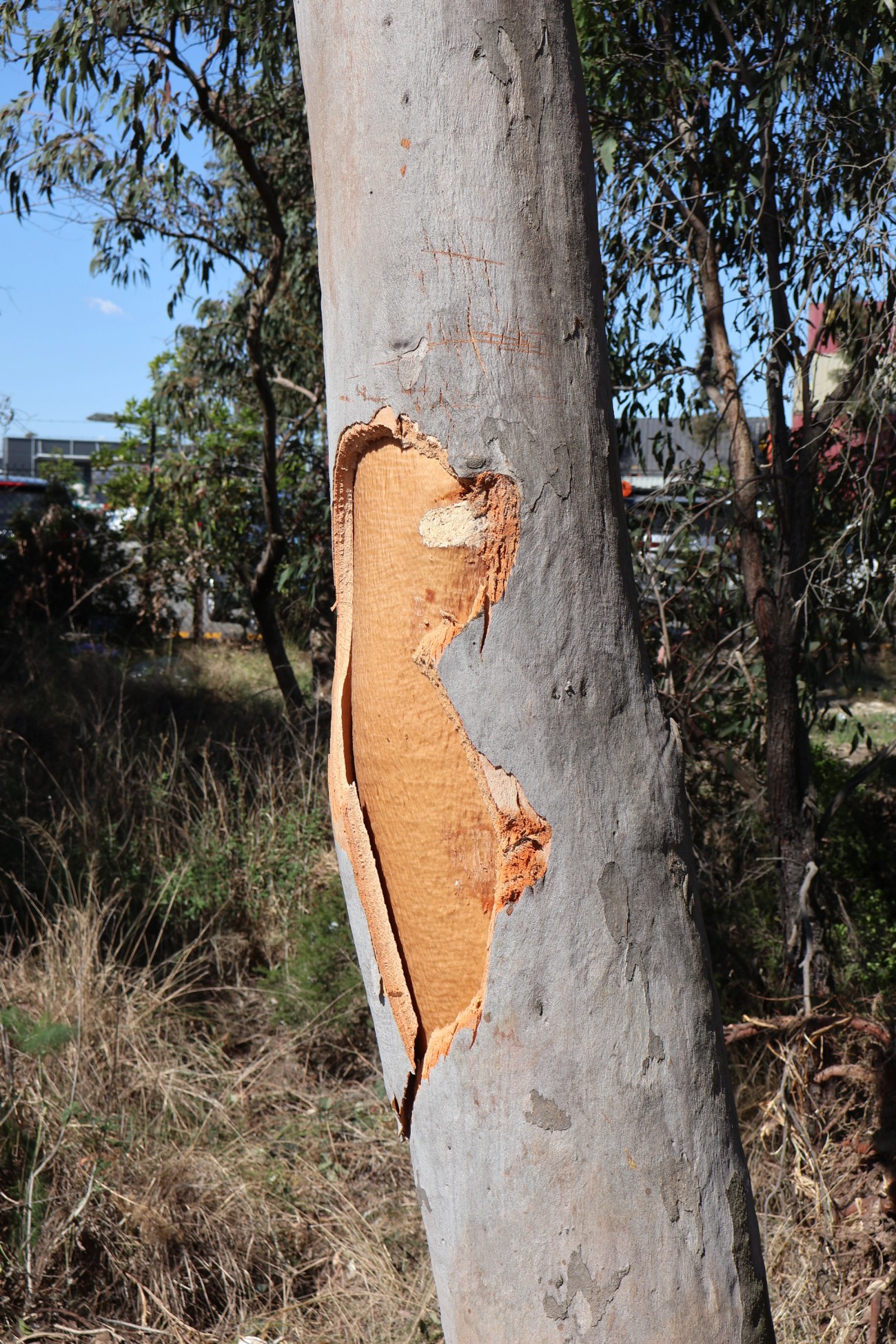
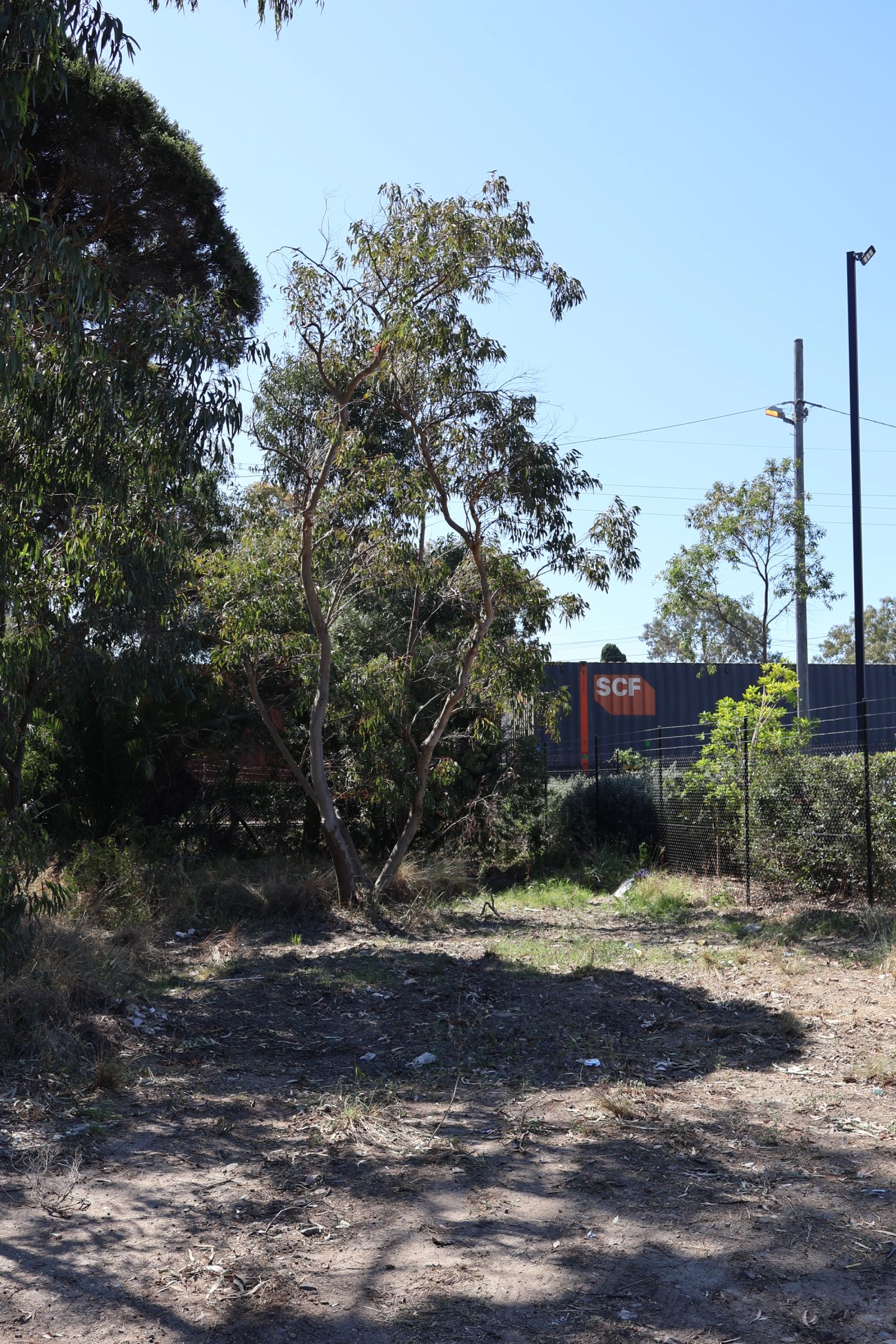
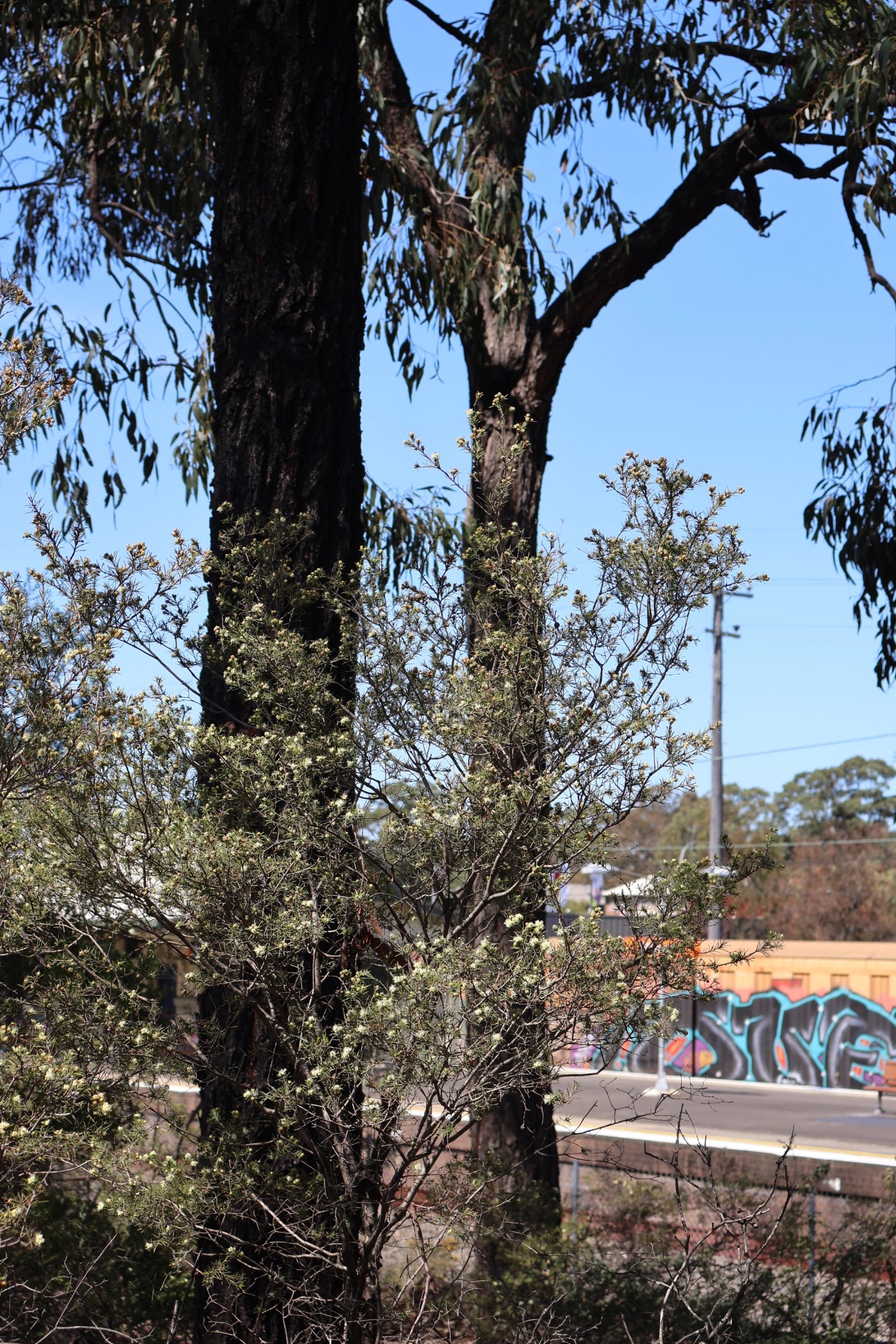
Walking through an ageing stand of Eucalyptus sideroxylon beside the train station – an area now functioning as a truck stop – Dan reflects on his efforts to demonstrate the local significance of plant species that fall outside formal conservation frameworks. While some species may be common at a regional scale, he explains, they can be rare or declining within a particular local government area and therefore warrant protection at the local level.
In Sydney, vegetation assessments are typically undertaken in response to development proposals rather than as part of ongoing ecological monitoring. As a result, many locally significant but unlisted species may not receive formal recognition or protection, a problem compounded by changing maintenance contracts, evolving planning policies, and the complexities of private land ownership.
Dan argues that while existing frameworks provide a basis for vegetation management, effective conservation depends on local knowledge, long-term observation, and public engagement. He also acknowledges that these forms of care are often constrained by changes in conservation policy, funding, and the capacity for ongoing ecological assessment.
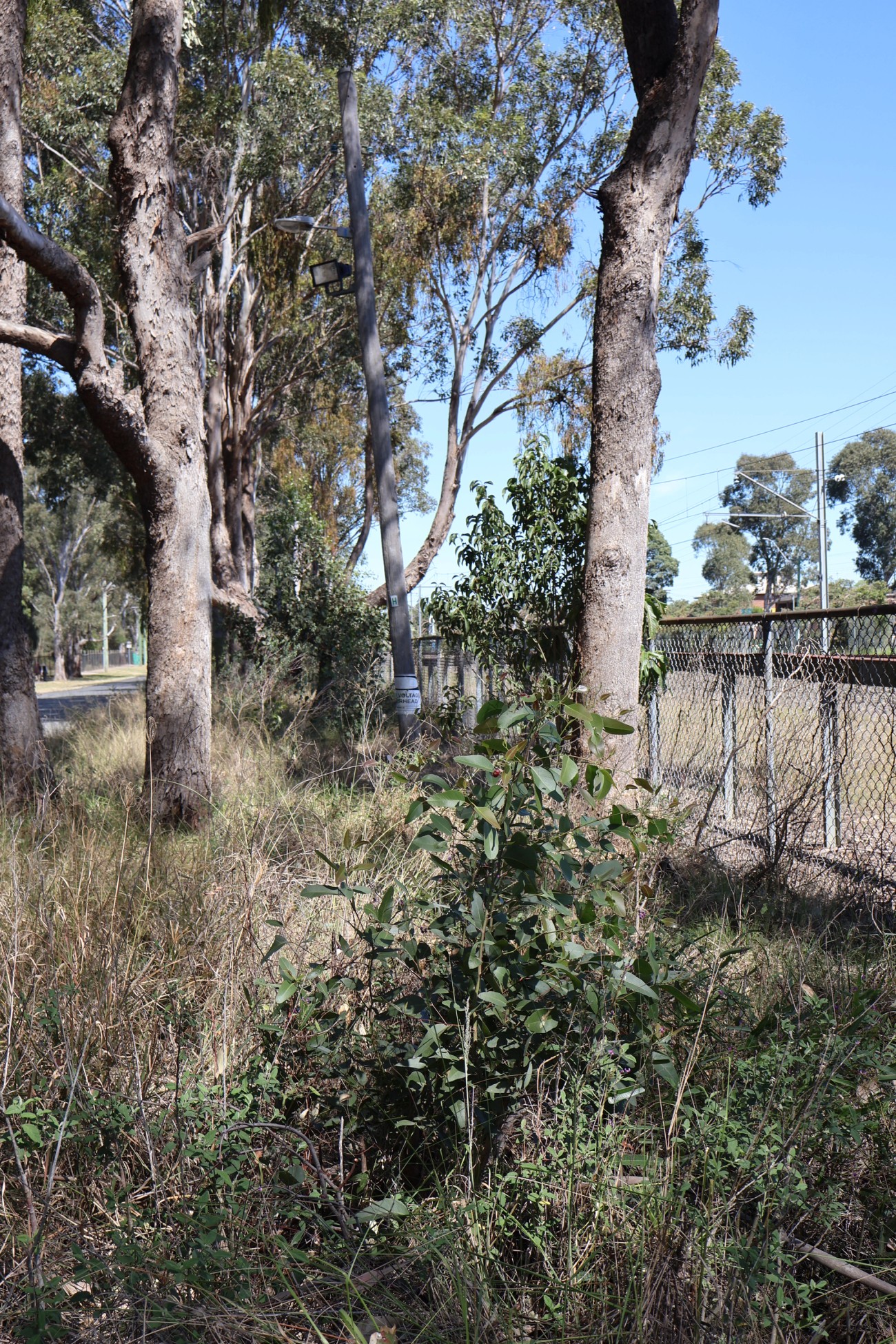
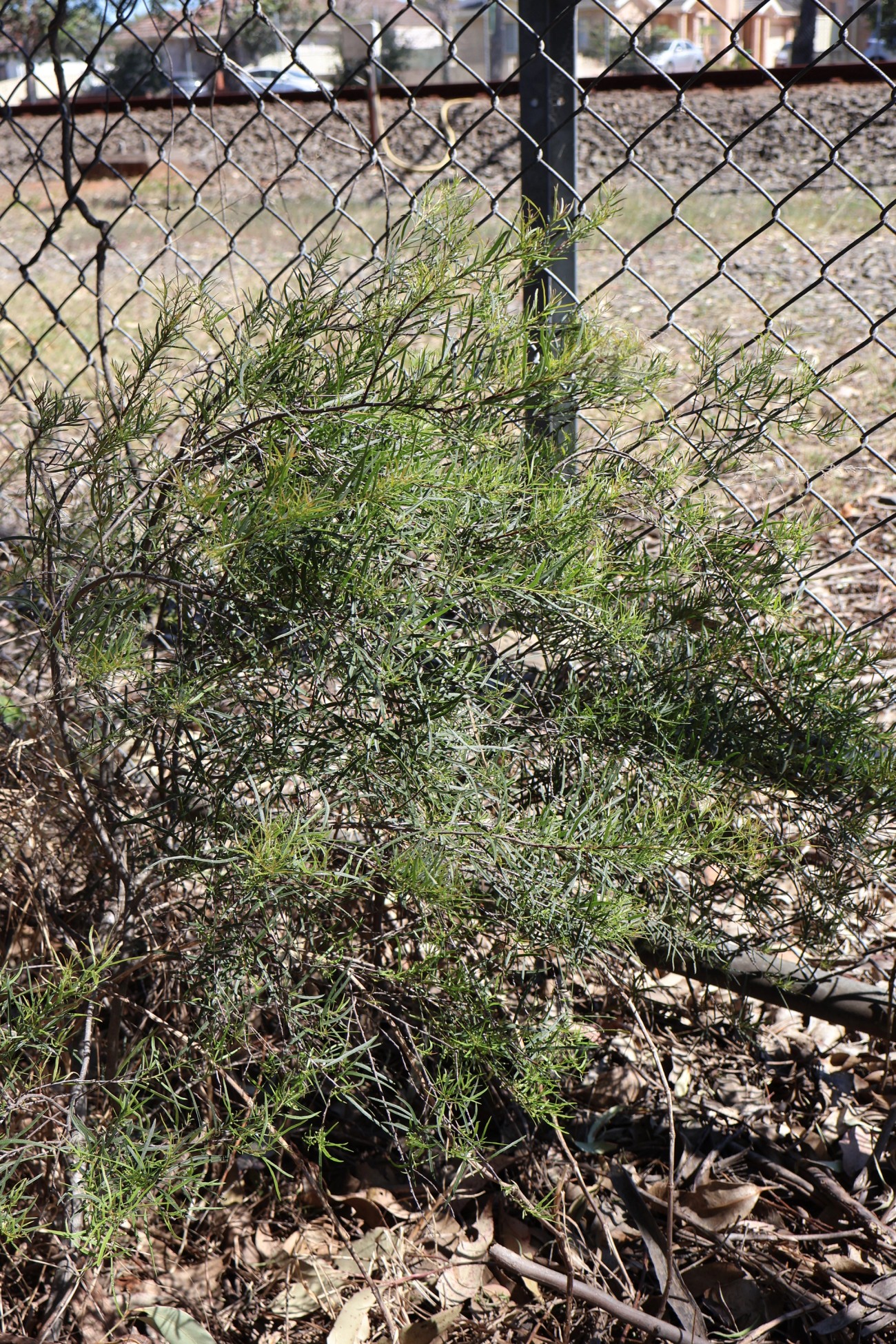
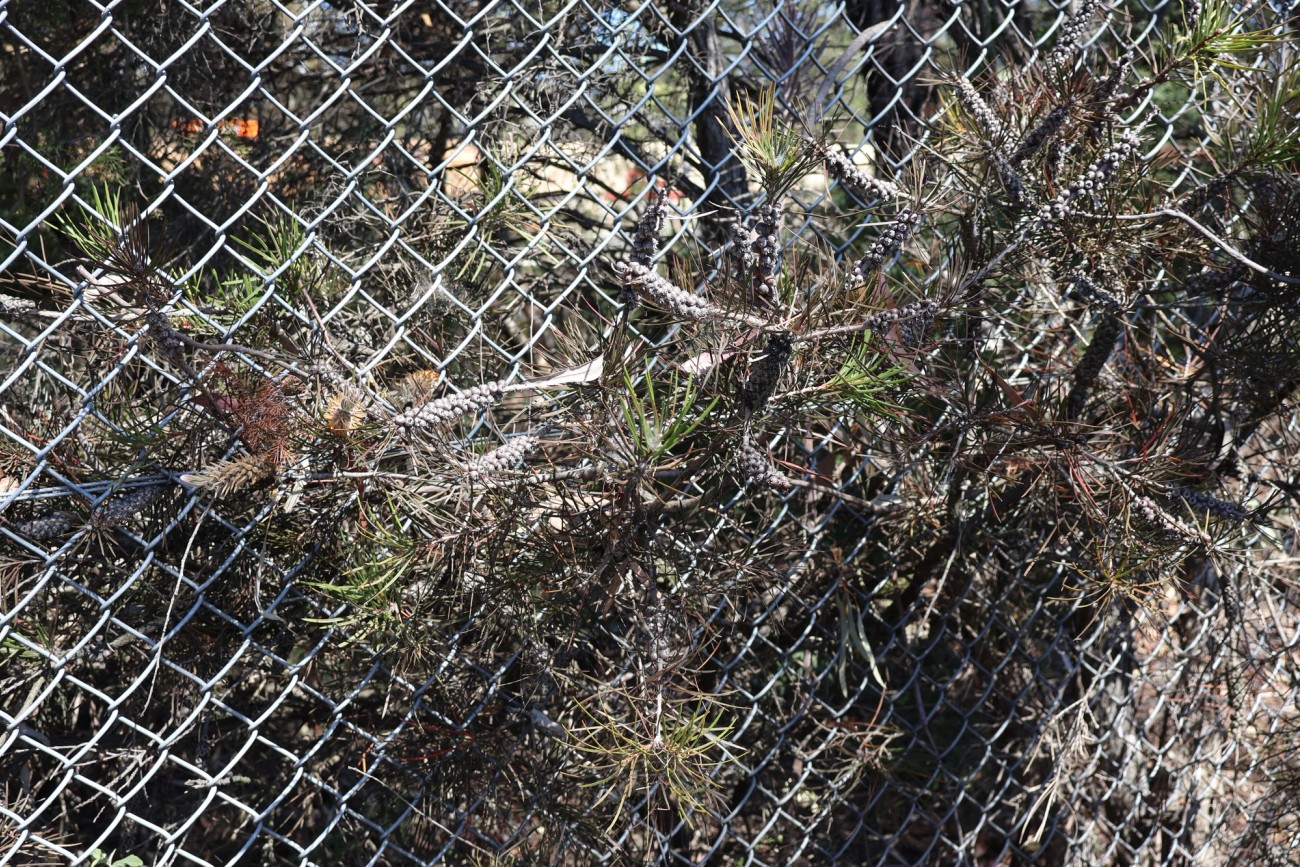
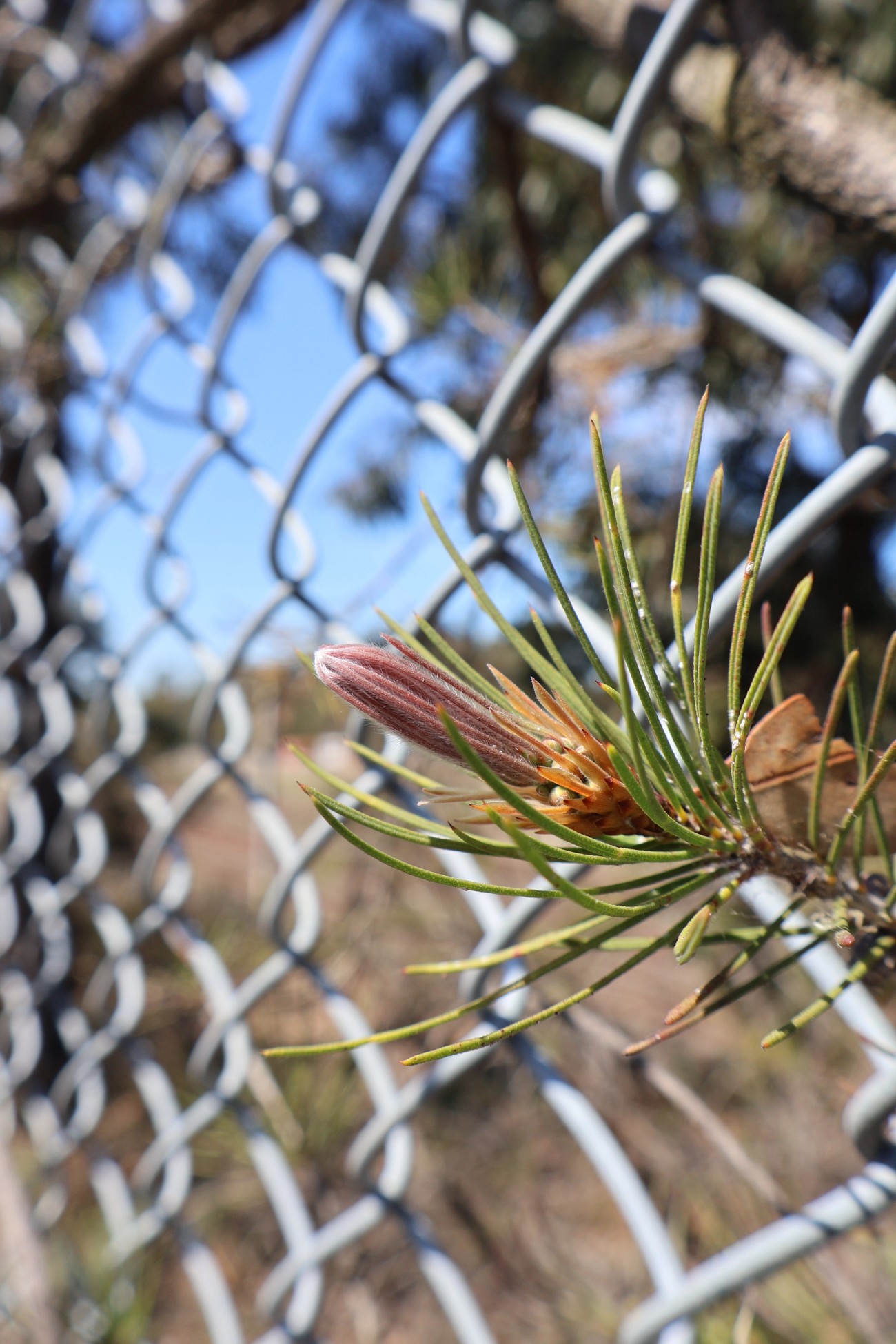
As we continue walking, Dan gestures to a subtle rise along the roadside, suggesting it marks the transition from clay to sandy soils – a geological shift that may explain the change in the tree line, where Eucalyptus sideroxylon gives way to Eucalyptus fibrosa higher up the slope. Further along the railway fence, we stop to inspect a Callistemon linearis pushing through the chain-link fence.
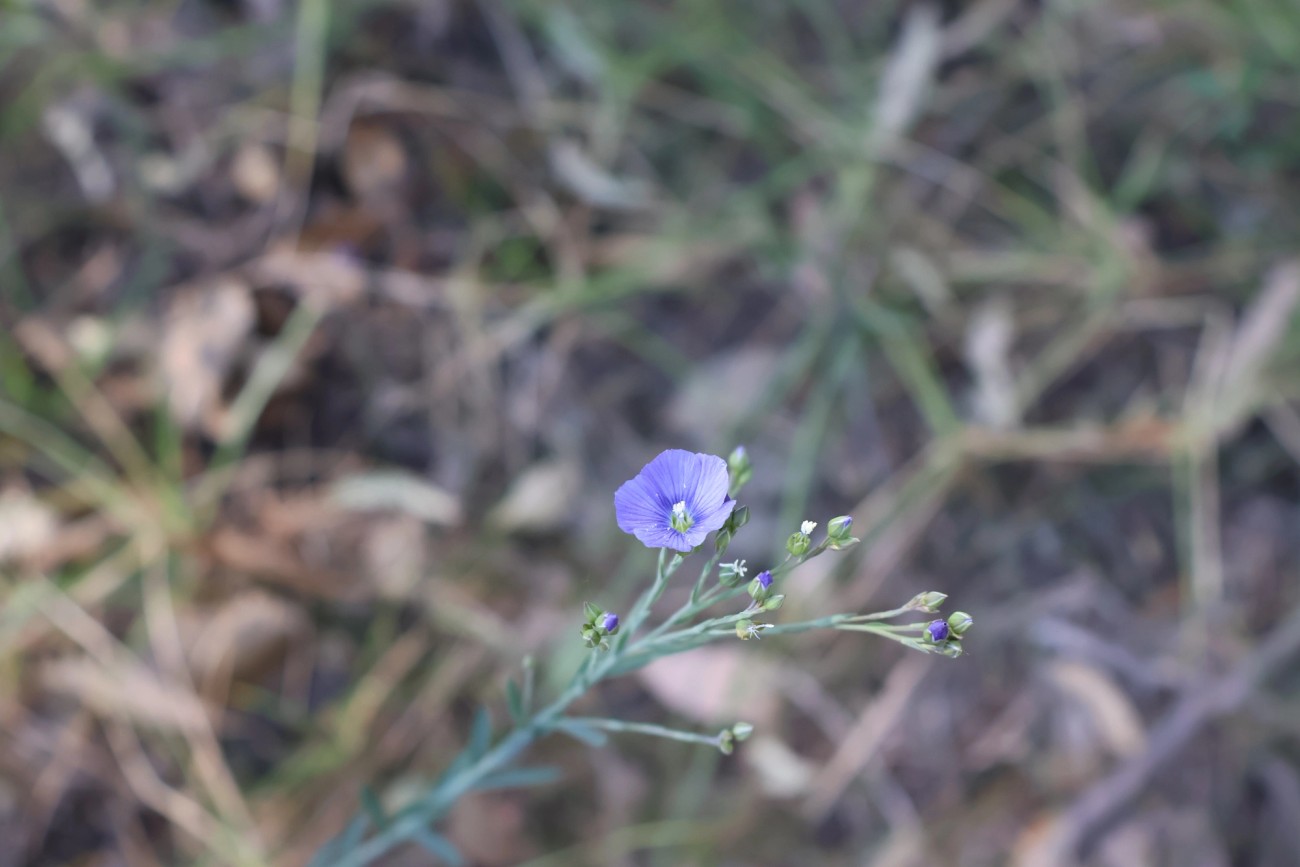
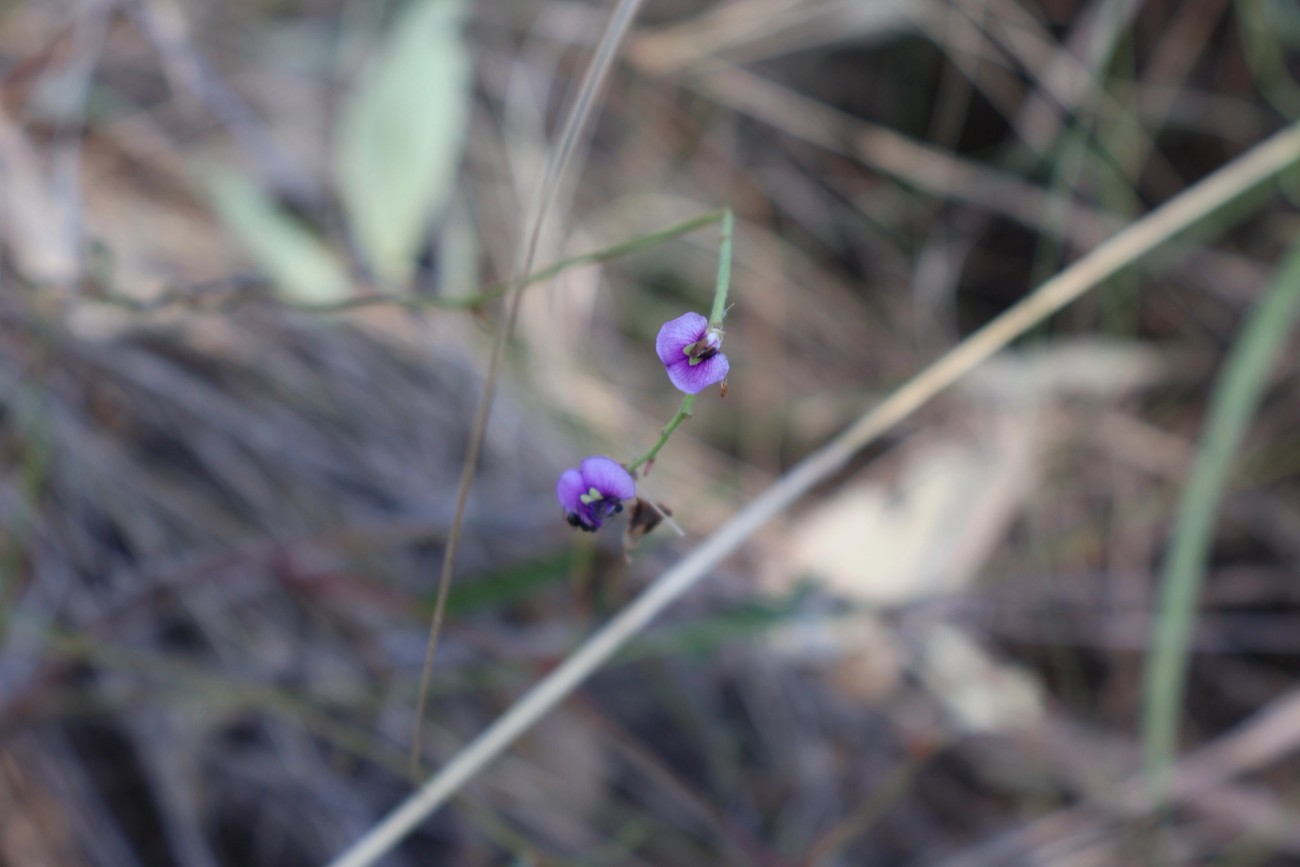
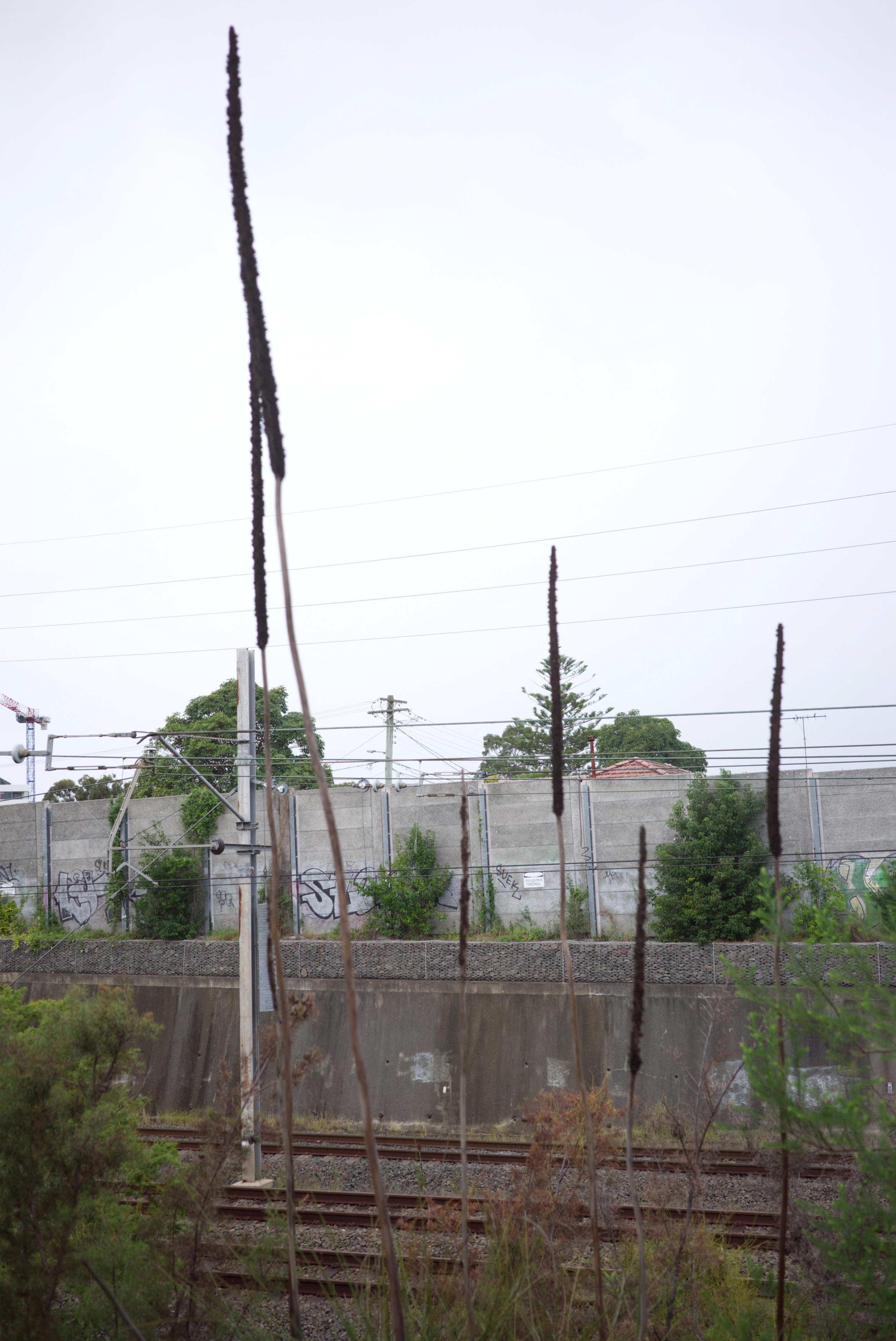
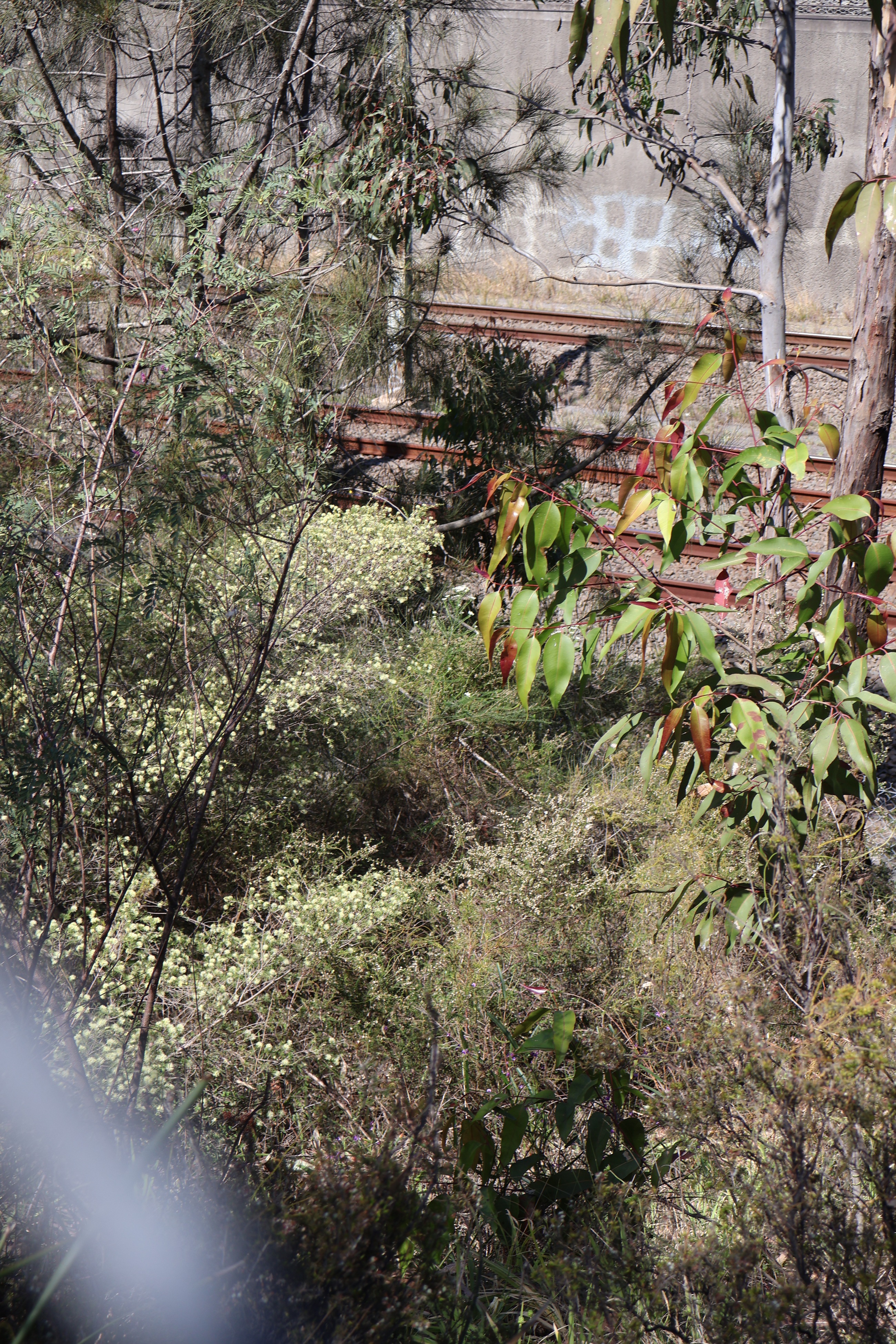
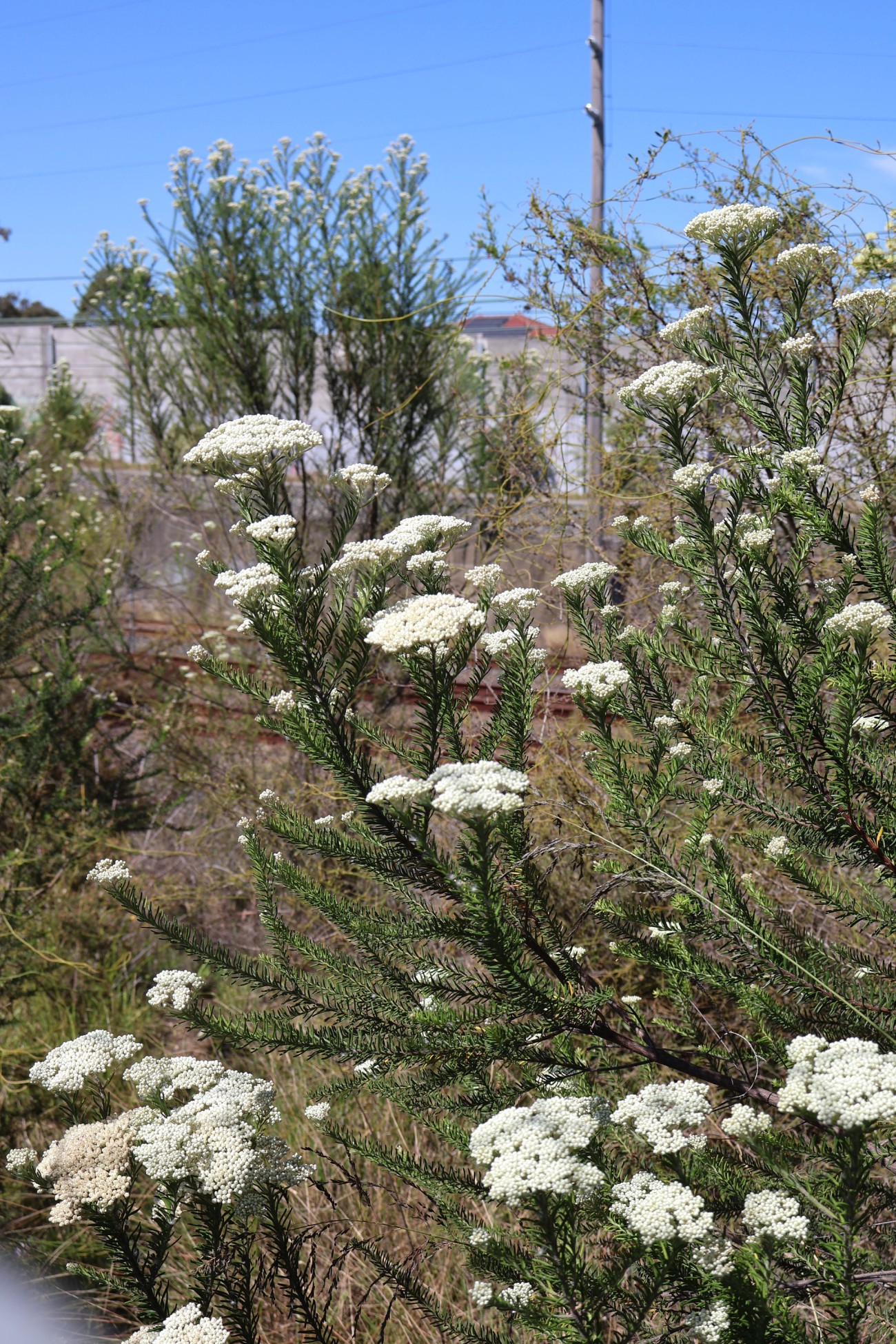
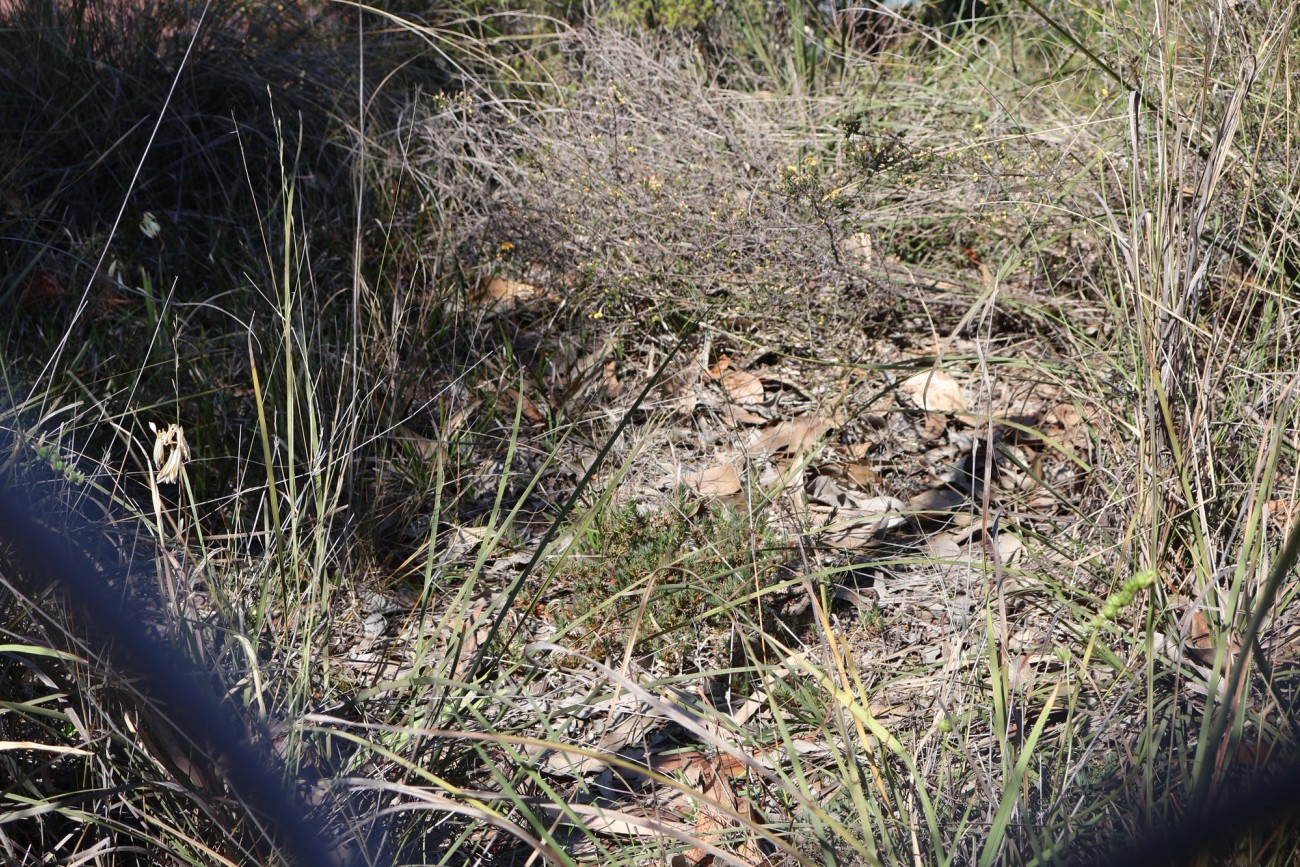
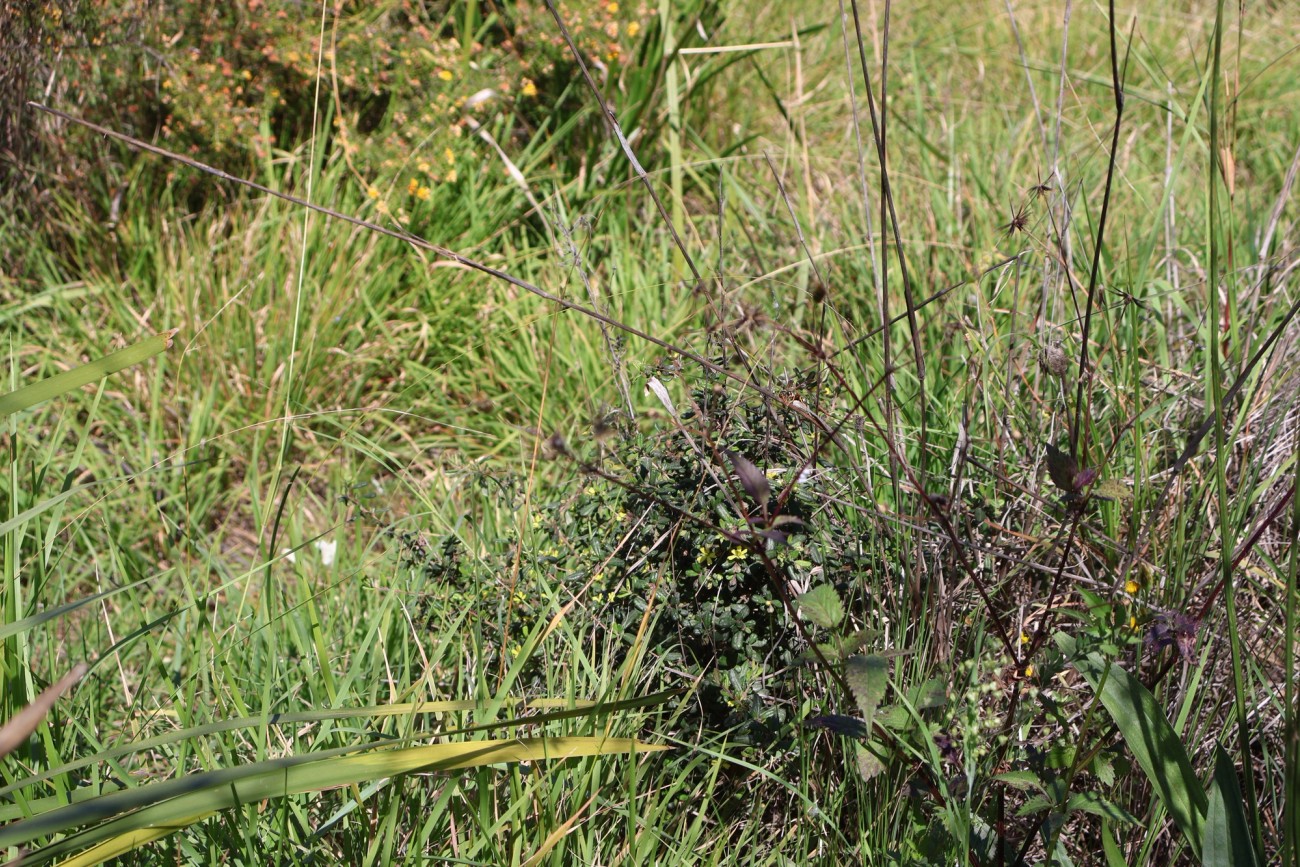
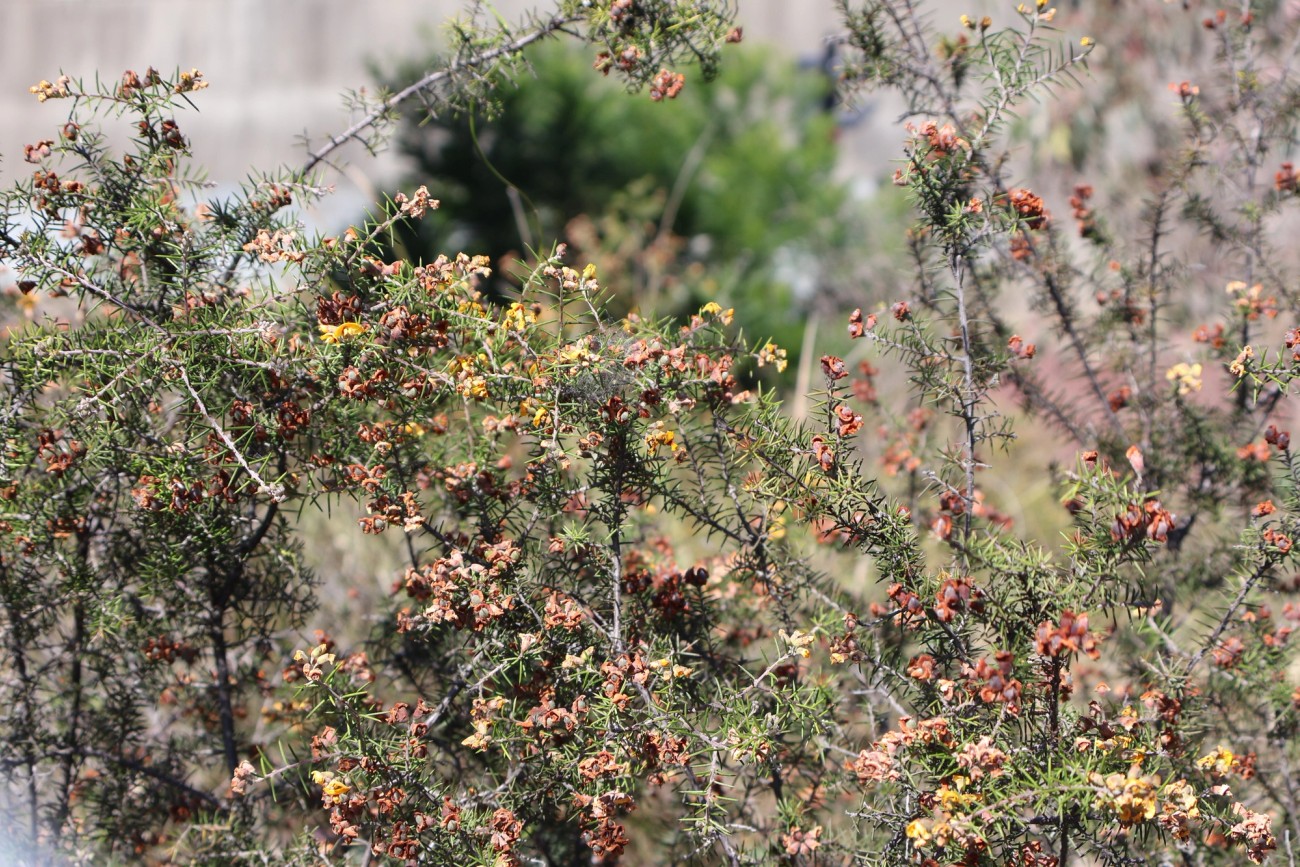
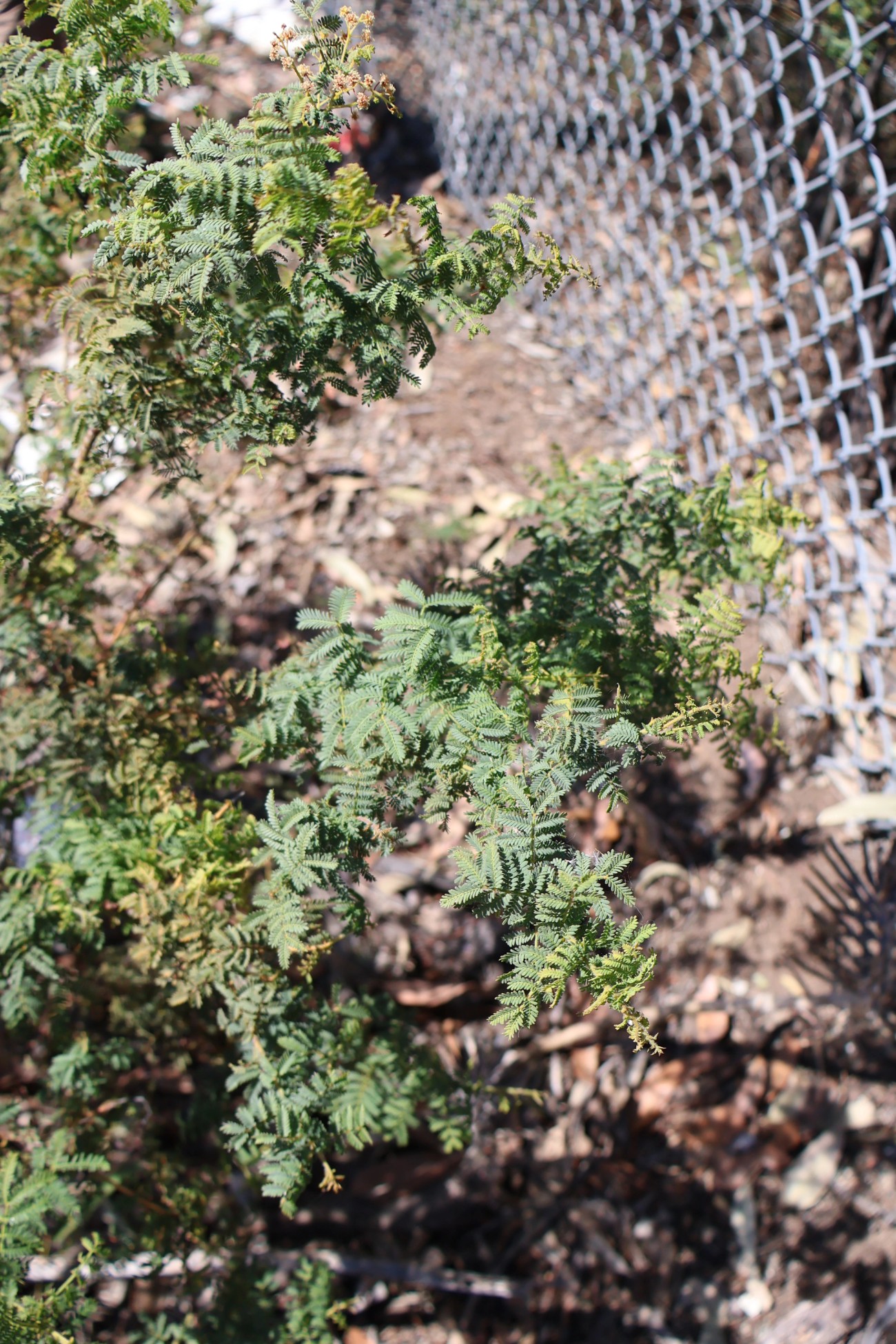
The accompanying photographs were taken by Cole Cochran along the T2 and T3 railway corridors in western Sydney in 2025.
![Eucalyptus sideroxylon [Truck stop]](https://cdn.sanity.io/images/bqoeydcq/production/7aab19178f38a5b2370c152619da5b67eee2ee1c-6020x4024.jpg?w=1300&auto=format&q=90)